linux
-

10 of the Best Audacity Alternatives

Audacity has been the go-to free audio editing app for years, but its recent privacy policy changes mention invasive data collection practices that are (rightfully) making a lot of people very uncomfortable.

-
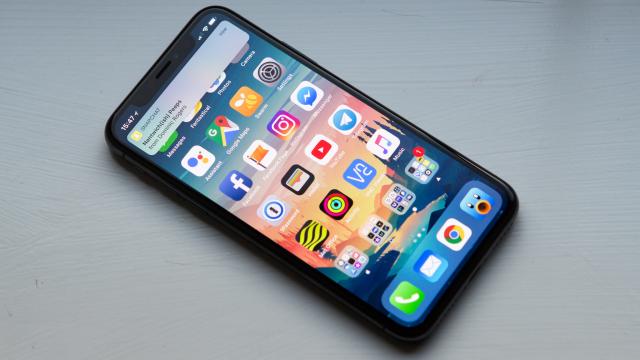
Our Favourite Free Apps For Android, iOS and Windows
Image credit: William Hook/Flickr The Lifehacker staff sifts through a ton of apps on a regular basis, but a few have stuck with us over the years. Some apps are simply nice to have, while others have become essential in our daily lives. From dealing with irate dragons to counting our mindfulness minutes, each app…
-
Disney+ Might Not Work On Your Device
Those looking forward to the upcoming Disney+ may want to double-check their preferred devices can actually run the streaming service in the first place. According to Linux developer Hansdegoede, Linux PCs, Chromebooks and some Android devices are incapable of meeting Disney’s stringent DRM requirements necessary for accessing Disney+ via web browsers.

-
If You Can’t Upgrade From Windows 7 To Windows 10, What Should You Do?
While I always recommend upgrading to the latest and greatest version of whatever software you’re using, this might not be the best option if you’re running an older device that’s already struggling to function. This is especially true of operating systems – although sometimes even your older device can benefit from an OS upgrade.