ipv6
-
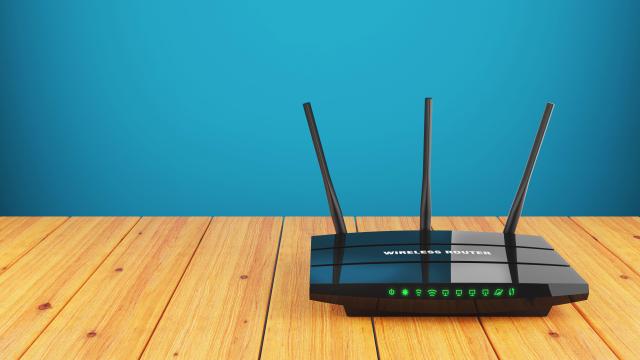
How to Tell If Someone Is Stealing Your Wifi (and Boot Them Off)

So, your internet is acting funny, maybe a little sluggish, even after multiple router resets and disconnecting excess devices. While there are many possible reasons your internet is acting up, many folks will understandably start to wonder if one of the neighbours is mooching off their wifi.


-
If You’re Not On IPv6, It Could Cost You A Fortune
We’ve long known that the pool of IPv4 addresses was near exhaustion — and as Tim Chown explains, that now means you’ll soon pay dearly if you’re not ready to shift to IPv6.

-
Why Disabling IPv6 In Your System Image Is A Bad Idea
Despite its benefits take up of IPv6 has been slow, and many sysadmins disable it by default. That’s a bad idea, since there is no easy way to change the setting back automatically across multiple machines.
-
World Of Servers Week 1: What We Learned

Lifehacker’s World Of Servers project kicked off last week with a series of posts from LCA2013 in Canberra looking at systems administration, virtualisation and the future of networking. Here are the key lessons we learned.