From the I-didn’t-know-this but it’s quite cool department: if you enter a search in a specific Google country site (such as google.com.au) and Chrome deduces that you’re actually somewhere else, it will ask if you want the search re-routed to the local domain instead. More »
iPhone: Apple’s got a great app that rings or tracks your lost iPhone using its location data, but you can only use it if you’ve shelled out $119 a year for Apple’s lame-duck MobileMe service. TekTrak does the same thing for $6. More »
newVideoPlayer( {"type":"video","player":"http://www.youtube.com/v/wg-MsCQJ6n4&hl=en&fs=1&hd=1","customParams":[] ,"width":570,"height":360,"ratio":0.615,"flashData":"","embedName":null,"objectId":null,"noEmbed":false,"source":"youtube","wrap":true,"agegate":false} );
Android/iOS/Windows Mobile: If your main objection to location sharing services is that you don’t want to share your location all the time, and when you do you’d like easy and private sharing, Glympse is a private and real-time location sharing tool. More »
Laptops are lighter and more powerful than ever; they’re also easier to steal. Luckily, a genuinely versatile and powerful track-and-recover applications is also free. Here’s how Prey works, and how it could save you a month’s rent in new laptop cost. More »
Android only: The Android Market isn’t much help at finding and recommending apps. Appazaar aims to work like iTunes’ Genius engine for Android, but better. It recommends apps based not only on what you use, but where you’re located. More »
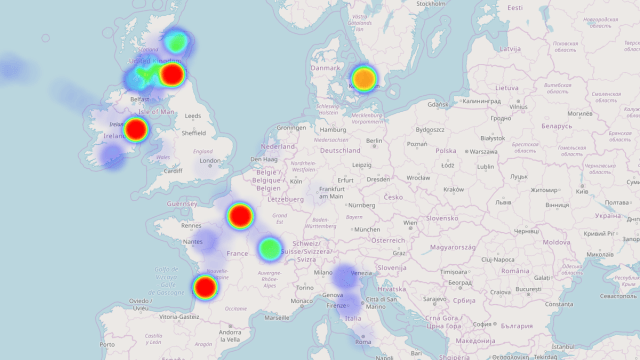
Google’s location history tracking was already pretty neat, if you didn’t mind the potentially creepy data sharing. Its recent Dashboard update makes it a lot more useful and interesting, batching your travels together and showing your distance to, say, the moon. More »
Chrome only: If the new geo-locating features that just hit the dev channel builds of Google Chrome make your privacy-conscious self a little worried, you can disable them with a simple change. More »