arduino
-

How To Get Started In Machine Learning And Robotics

“It’s very easy to get intimidated,” says Hamayal Choudhry, the robotics engineer who co-created the smartARM, a robotic hand prosthetic that uses a camera to analyse and manipulate objects. “You have this idea for a project, then think, I don’t know a thing about this.” Here’s how Choudhry and his partner Samin Khan, who programmed…


-
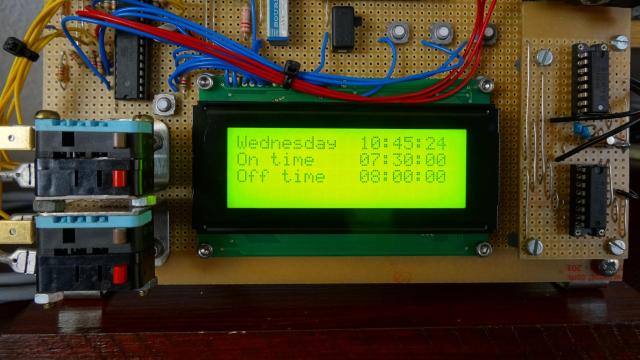
This Arduino-Powered Alarm Clock Rips Your Sheets Off

Heavy sleepers might need a little something stronger than your standard alarm clock. Some ask you to throw them against a wall, while others roll around the floor wailing, but none of them take direct action to wake you up. Furniture maker and Instructables user 1UpLiving decided to make his alarm clock a little more…


-
How To Build An Alarm Clock That Can Only Be Silenced By A Nerf Dart
Video: The most dangerous object in your home isn’t the stove, the clothes iron, or that chainsaw in your garage. It’s your alarm clock’s snooze button that makes it so easy to go back to bed each morning. Silencing that alarm shouldn’t be so easy, so Christopher Guichet built an alarm clock that can only…

-

Blynk Makes Creating Mobile Apps To Power Arduino Or Raspberry Pi Projects A Little Easier
Android/iOS: If you want to control a Raspberry Pi or Arduino connected device from your phone, you’d usually need to know at least some programming. Blynk is an app that makes it easier to control those devices from your phone.